May 7, 2026
In this article, we delve into effective strategies to enhance the energy efficiency of your HVAC system. With an efficient HVAC system, you not only reduce energy costs but also contribute to a healthier planet. Let's explore various practical approaches to optimizing your HVAC system's performance. The drive for energy efficiency has never been more pressing, with increasing energy bills and environmental concerns at the forefront for many homeowners. This comprehensive guide aims to provide you with everything you need to know about getting the most out of your HVAC system by utilizing professional HVAC services.
1. Regular Maintenance and Servicing
1.1 Schedule Biannual Professional Inspections
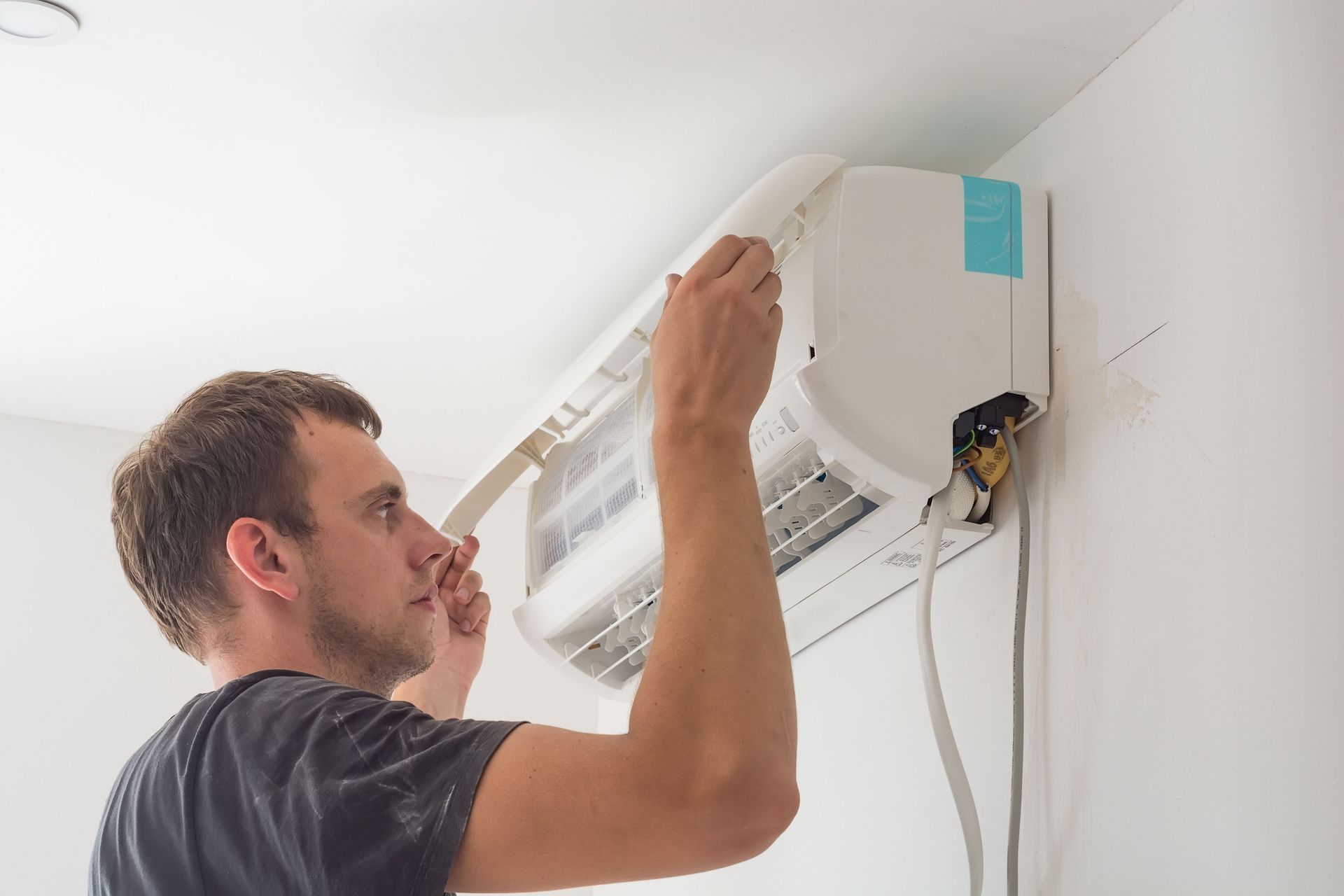
Engaging professionals to inspect your system twice a year can prevent major issues and ensure optimal performance. Regular check-ups can help identify wear and tear before they escalate into significant, costly repairs. The HVAC system operates under various loads throughout the year, making consistent inspections crucial. Not only do biannual inspections extend the life of your system, but they also maintain efficiency, directly impacting your energy bills. With timely interventions and expert HVAC services, your system can run at peak performance, ensuring comfort and sustainability year-round.
1.2 Clean and Replace Air Filters Regularly
Dirty filters make your HVAC system work harder, increasing energy consumption and wear on the system. A clean filter improves air quality and ensures that the system doesn't have to exert unnecessary power. Depending on usage and the environment, filters should be inspected monthly and replaced as necessary, typically every 1-3 months. This not only conserves energy but also improves the indoor air quality, an essential factor for health and wellness. Proactive maintenance efforts, often included in standard HVAC services, can save on long-term costs and enhance system longevity.
1.3 Inspect and Clean Ducts
Duct leaks and blockages can greatly diminish energy efficiency. Routine inspection and cleaning of your ductwork ensures maximum system performance and air quality. Dust, debris, and pollutants can easily accumulate in the duct system, hampering airflow and making your HVAC work harder. Addressing these issues promptly reduces energy waste and improves overall comfort levels in your home. Professional duct cleaning through specialized HVAC services can provide an in-depth analysis and remediation, ensuring that your system functions optimally.
2. Upgrade to a Programmable Thermostat
2.1 Set Temperature Schedules
Creating schedules for different times of the day can prevent unnecessary energy usage. With a programmable thermostat, you can easily align the heating and cooling levels with your family's schedule. For instance, reducing heating when the house is empty can save significant energy. The convenience of preset schedules allows you to maximize efficiency without compromising comfort. According to the Department of Energy, effective thermostat settings can yield substantial savings, potentially trimming 30% off your energy bill when combined with proper system maintenance and home improvements.
2.2 Utilize Remote Access Features
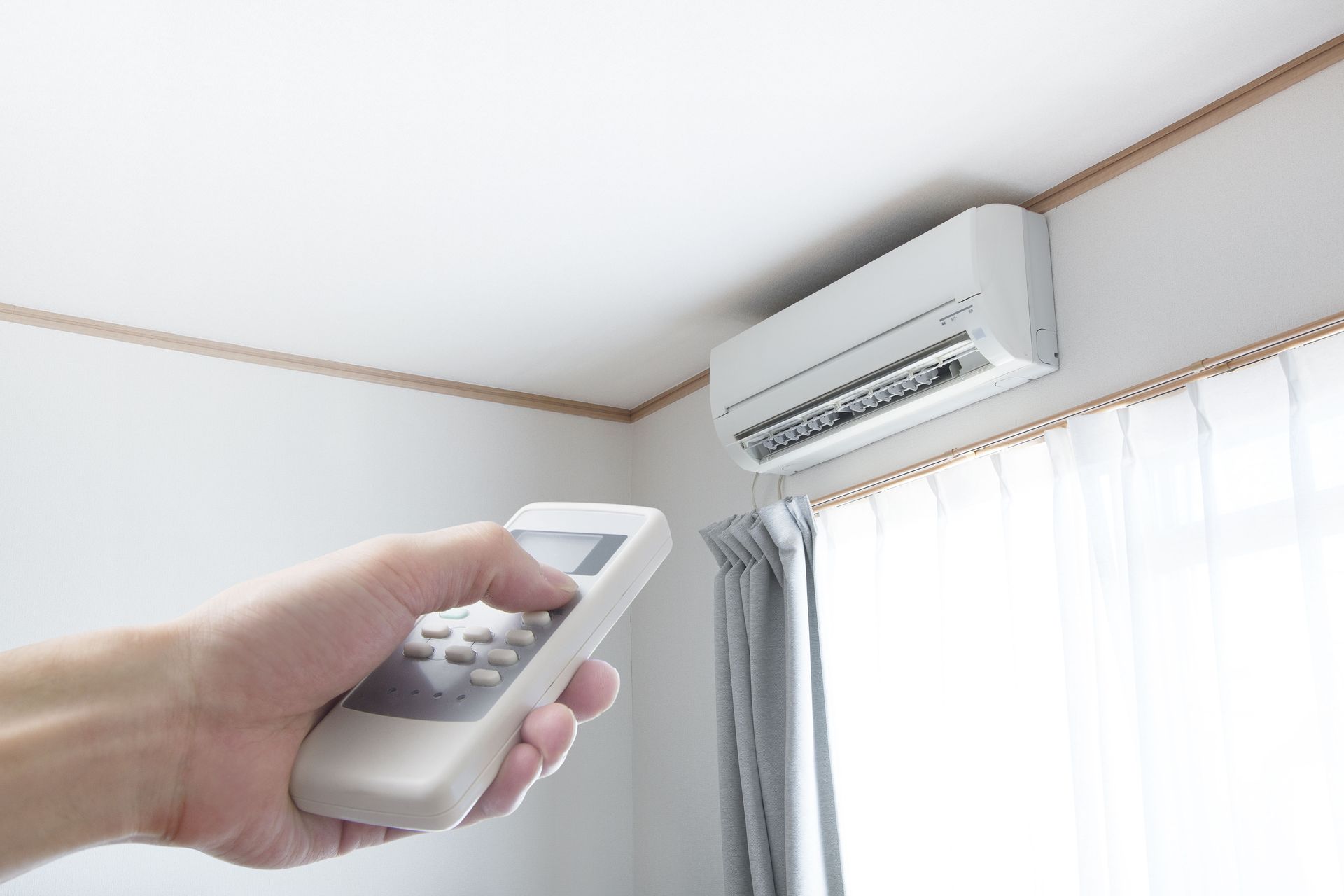
Control your thermostat remotely to adjust settings from anywhere, ensuring efficient operation. Whether out for the day or on an extended vacation, remote capabilities empower you to maintain cost efficiency. Instant access means you can respond to weather changes on the spot, ensuring comfort upon your return. This adaptability not only offers convenience but also promotes energy conservation, as adjustments can be made according to real-time weather and occupancy levels. The smart home functionality provided by remote access significantly enhances the HVAC system's adaptability and efficiency.
2.3 Take Advantage of Zoning Capabilities
Program different temperatures for different areas of your home to save energy through zoned heating and cooling. Often, not every room requires the same level of conditioning simultaneously. Zoning allows for customization, directing energy only to areas in use and reducing it in unoccupied spaces. This targeted approach results in more efficient energy use, as opposed to a one-size-fits-all solution. Customizing temperature settings enhances overall comfort while ensuring you're not cooling or heating unused rooms unnecessarily.
3. Optimize Natural Ventilation and Shading
3.1 Utilize Natural Breezes
Take advantage of cross-ventilation by opening windows during comfortable weather periods to enhance indoor air quality without extra energy use. Harnessing natural airflow reduces dependence on mechanical ventilation systems. Strategic window opening allows fresh air to circulate, flushing out stagnant indoor air. This practice can significantly lower energy consumption, as reliance on the HVAC system is minimized when natural conditions allow. By optimizing window operation based on weather conditions, you maintain indoor comfort while conserving energy and reducing costs.
3.2 Implement Landscaping for Shade
Plant trees and shrubs strategically to shield your home from harsh sun and moderate outdoor temperatures naturally. Tall trees and overhangs provide shade, effectively reducing indoor heat gain during peak sunshine hours. Landscaping acts as natural insulation, reducing the solar heat absorbed by the building. This passive cooling method lessens the load on your air conditioning system, translating into significant energy savings. With mindful landscaping, you create a naturally cooler environment, promoting energy efficiency and aesthetic enhancement.
3.3 Use Window Treatments
Install blinds or curtains to control the amount of sunlight entering your home and prevent unnecessary heat gain. Window treatments are an efficient, low-cost solution for managing indoor temperatures year-round. During summer, reflective blinds can significantly block and reflect heat away from your home, reducing cooling costs. In winter, heavy drapes help retain heat, preventing heat loss through windows. By implementing window treatments strategically, you capitalize on a simple, effective method to enhance overall energy savings.
4. Upgrade or Retrofit the HVAC System
4.1 Invest in Energy-Star Rated Equipment
Replacing old models with Energy-Star certified systems ensures higher efficiency and significant operational savings. New Energy-Star-rated HVAC units use advanced technology to reduce energy use without compromising performance. By updating to these efficient systems through reputable HVAC services, you not only enjoy improved performance but also qualify for rebates and incentives. With up to 15% greater efficiency than standard models, these units reduce your environmental footprint substantially.
4.2 Consider Variable Speed Systems
Variable speed systems can adjust output to meet demand, improving efficiency and comfort by minimizing wasteful energy use. Traditional systems run at full capacity or not at all, often leading to inefficiency and inconsistent temperatures. Variable speed technology offers a range of operating speeds, facilitating precise temperature control and comfort. This flexibility means systems operate only at the necessary capacity, significantly reducing energy consumption. The adaptability of variable speed systems presents a modern solution for homes looking to improve both climate control and energy efficiency.
4.3 Integrate Smart HVAC Technology
Smart technology can optimize operations and reduce energy usage by allowing seamless integration and management. Integrated systems enable predictive maintenance, ensuring minor issues are addressed before they escalate. This connectivity facilitates remote monitoring and control, adapting to household patterns and preferences. Smart technology uses sensors and algorithms to create a more responsive, efficient HVAC ecosystem. The right smart solutions provided by comprehensive HVAC services can not only save energy but also enhance daily comfort.
Enhancing your HVAC system's energy efficiency requires a multifaceted approach. From maintenance and smart technology upgrades to effective home design improvements, each step contributes to reduced operational costs and a more sustainable environment. Implementing these strategies ensures not only immediate savings but long-term benefits as well. As you optimize your HVAC system, the culmination of small adjustments yields substantial results for energy savings and environmental impact. With these comprehensive HVAC services and approaches, you are well-equipped to create an efficient, comfortable home environment. Working toward energy efficiency not only saves money but also contributes positively to preserving our planet.
Experience the ultimate in home comfort and efficiency by scheduling your appointment with Muller Heating & Cooling today!